

In 2026, the hospitality industry is in a very interesting state. It faces both unprecedented opportunities and challenges simultaneously. First, let’s begin with opportunities. According to the World Bank’s Tourism Watch, global tourism grew by 7% year-on-year in Q3 2024, outpacing all other service sectors despite geopolitical uncertainty. This growth itself rides the wave of digital transformation in hospitality, where smart technologies now form the backbone of guest experiences, be it in hotel, restaurant, or resort settings. The impact of new technologies is striking, according to research by IJMSIT, cloud-based property management systems boost operational efficiency by 30%, AI chatbots cut staff workload by 70%, and data analytics drive a 15% increase in guest satisfaction through personalized services.
Yet the industry faces a critical balancing act: for instance, luxury properties must manage the tension between automation and human touch. According to Forbes, more than half of high-end guests still expect personalized service delivered by humans who can read subtle emotional cues and anticipate needs in ways AI cannot. This creates a unique challenge where properties must deploy technology to enhance operations while preserving the genuine human connections that define true luxury hospitality. And it’s one of the few examples of cases where opportunities and challenges are met for businesses in the hospitality sector.
As a hospitality software development service provider with over a decade of experience, we see firsthand how these technologies reshape businesses across the globe. We also see unique technology challenges met by companies that undergo digital transformations. And that’s why we wrote our today’s guide, where we’ll try to explain both the technical foundations and practical implementations that eventually create successful digital experiences in the hospitality sector. From front-end design principles to complex AI-associated ethical questions, we’ll unpack what works, what doesn’t, and how to build systems that truly enhance the guest journey at every touchpoint. So, let’s do it from a tech-savvy perspective!
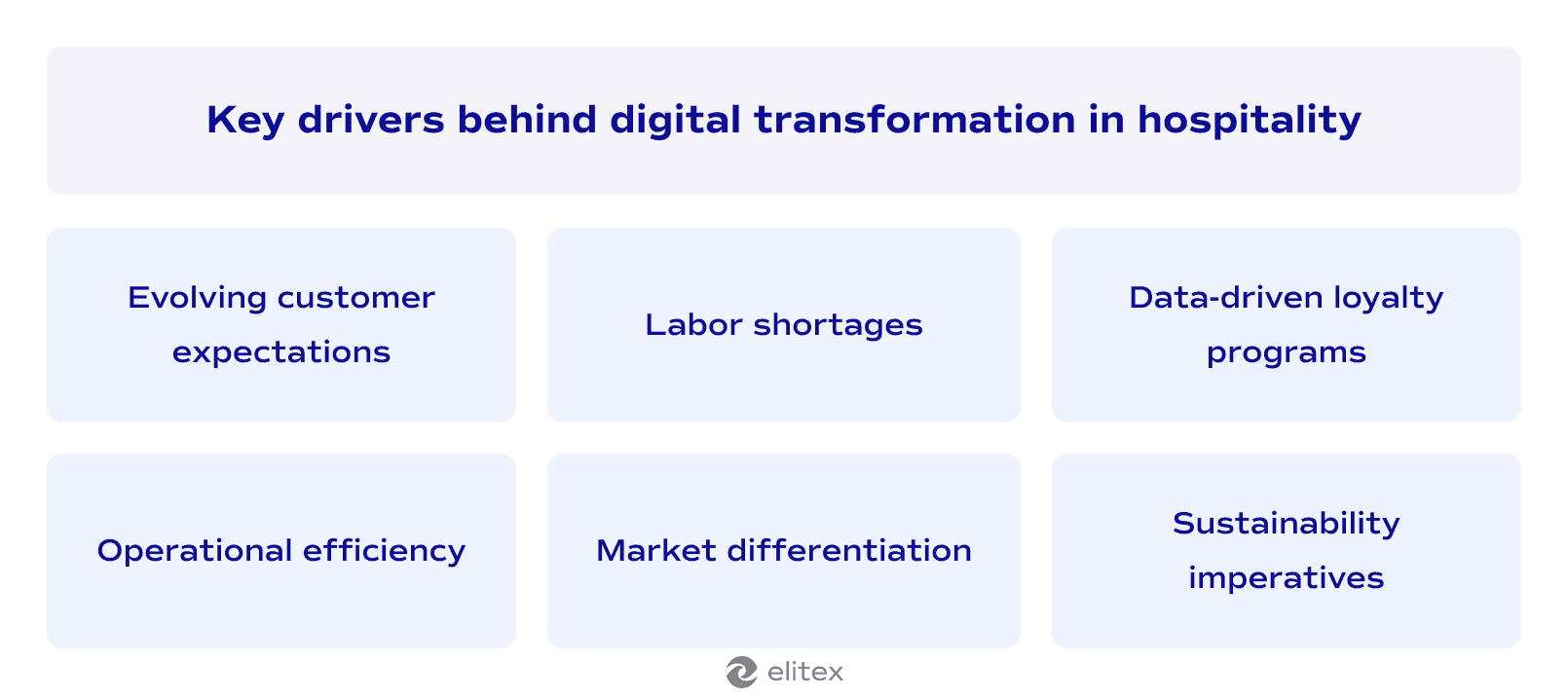
Key drivers behind digital transformation in hospitality
Evolving customer expectations
Today’s travelers expect digital-first experiences similar to retail and banking. They want personalized experiences, instant service, and seamless interactions, making digital transformation a business priority for competitive properties.
Labor shortages
Persistent staffing challenges force hospitality companies to deploy digital technologies to automate routine tasks. This reduces operational costs while allowing limited personnel to focus on high-value hotel services that technology cannot replicate.
Data-driven loyalty programs
The ability to collect, analyze, and act on guest data creates a competitive edge through personalized marketing campaigns, enhanced loyalty programs, and targeted service enhancements tailored to individual preferences.
Operational efficiency
Digital technologies streamline operations, minimize errors, optimize inventory, and enable contactless payments. It reduces operational costs while predicting maintenance needs before they disrupt hotel services.
Market differentiation
As basic technology becomes standard, innovative digital technologies help properties meet rising customer expectations and eventually stand out in crowded markets. Also, the best justification for the premium pricing is unique and memorable stays, and that’s another aspect digital technologies can help with.
Sustainability imperatives
Smart building systems, reduced paper usage, and optimized resource management help properties meet growing environmental expectations while significantly reducing utility costs, making sustainability both an ethical choice and a business priority.
Understanding digital transformation in hospitality
But let’s take a closer look at what digital transformation in hospitality really means. In practice, it’s not just adding tech—it’s rebuilding how properties operate, serve guests, track performance, and create memorable stays. Digital transformation in the hospitality industry involves integrating technology at every touchpoint, responding to guests who expect the same seamless experiences they enjoy from their favorite apps and smart devices.
In 2026, hospitality digital transformation follows two paths. First, guest-facing innovations focus on the digital journey—mobile check-ins, in-room tablets, personalized recommendations, and voice-controlled environments. Meanwhile, behind the scenes, digital solutions provide operational excellence—predictive maintenance, dynamic pricing, automated inventory, and staff optimization tools. Together, these two aspects create a level of personalization in the hospitality industry never seen before.
Success in digital transformation comes when both systems work together flawlessly, creating experiences that feel both high-tech and high-touch. From what we’ve practically seen, successful modern digital transformation isn’t about replacing human connection—it’s about enhancing it through smart, well-integrated systems.
Front-end technologies powering hospitality innovation
As a front-end development service provider with a decade of experience, we’ve seen firsthand how guest-facing digital tools dramatically transform the entire industry. The latest front-end technologies create seamless experiences that meet rising guest expectations while delivering measurable business value. Here’s what digital transformation means from the guests’ perspective:
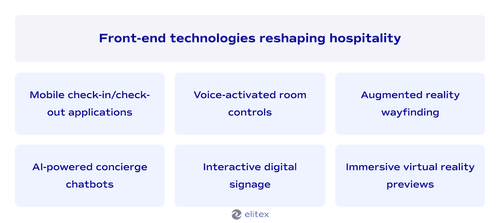
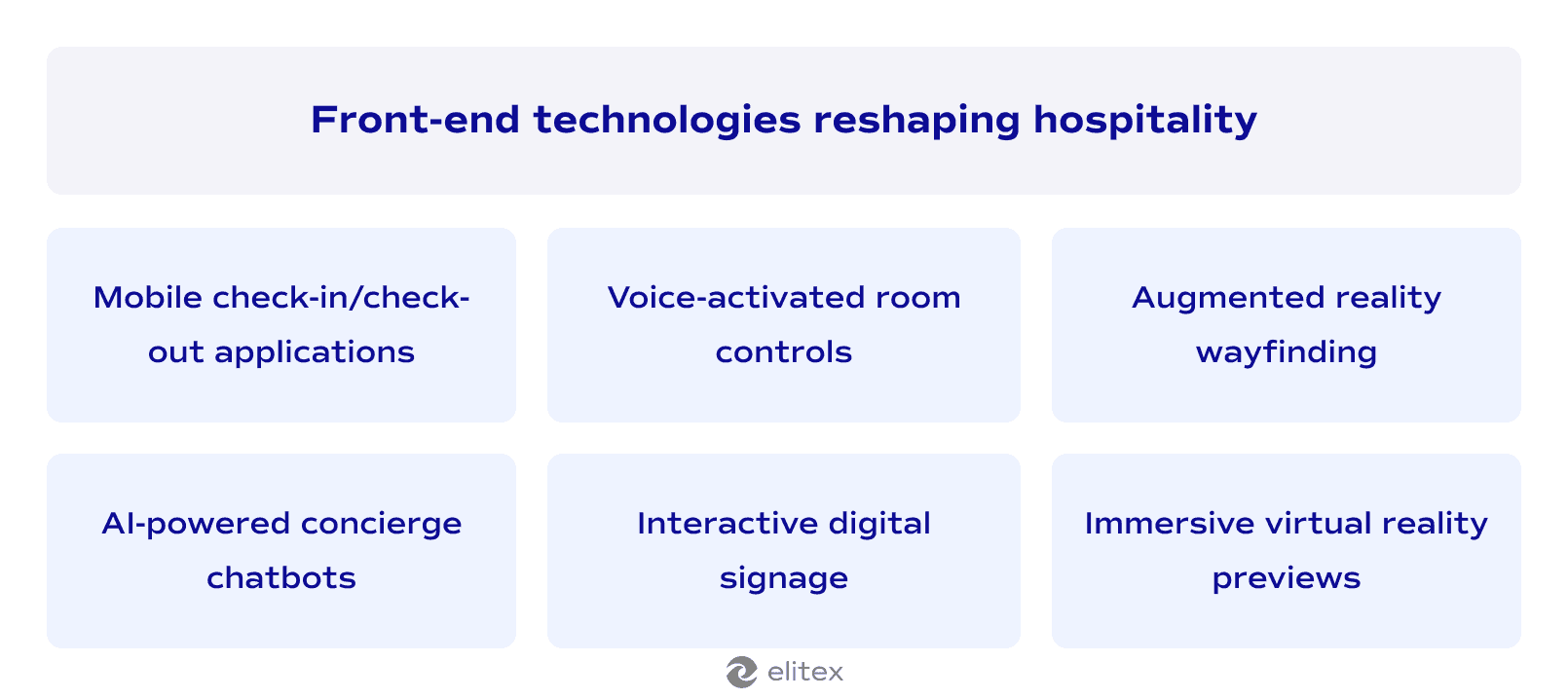
Mobile check-in/check-out applications
Intuitive apps for mobile check-ins and check-outs can entirely eliminate front desk lines. Guests check in, select rooms, and receive digital keys directly on their mobile devices without any additional interactions required. This technology reduces staffing needs while significantly boosting customer satisfaction through convenience and time savings. Although not revolutionizing, for companies at just the beginning of digital transformation, it's definitely a good starting point.
Voice-activated room controls
Smart speakers and integrated voice systems let guests adjust lighting, temperature, entertainment, and even order room service through simple voice commands. This technology creates a “wow factor” while providing accessibility benefits and reducing the learning curve for in-room technology. Businesses implementing voice control systems report higher customer satisfaction scores, particularly among tech-savvy travelers who expect their hotel experience to match the convenience they enjoy at home with their own digital tools.
Learn more in our IoT in the hospitality industry guide.
Augmented reality wayfinding
AR overlays on mobile devices help guests navigate complex hotels with sophisticated architecture and discover hidden features. This technology transforms ordinary walks into engaging digital explorations, especially valuable in sprawling properties where guests often miss available services.
AI-Powered Concierge Chatbots
Advanced conversational interfaces provide instant responses to guest inquiries through messaging platforms or dedicated apps. They handle everything from restaurant recommendations to maintenance requests, operating 24/7 without human limitations while collecting valuable preference data. These AIs learn from each interaction, becoming even more personalized over time while freeing your staff to handle more complex guest needs that require human empathy and problem-solving ability. The hospitality industry continues embracing these solutions as part of broader front-end trends toward automated, yet personalized guest communication.
Interactive digital signage
Touch-enabled displays throughout properties provide contextual information, wayfinding, and promotional content. The technology creates opportunities for upselling while reducing staff interruptions for basic questions.
Immersive virtual reality previews
VR technology allows potential guests to “experience” rooms, amenities, and surroundings before booking. This relatively new approach to the hospitality experience reduces booking hesitation by setting accurate expectations while creating excitement about the upcoming stay. Properties report higher upsell rates when guests can virtually experience premium room categories versus viewing standard photos. The technology also reduces post-booking disappointment—it ensures guests select accommodations that truly match their preferences, improving overall customer satisfaction and reducing negative reviews related to room expectations.
What’s under the hood of the digital transformation in the hospitality industry?
Now that we’ve explored client-facing technologies, let’s examine what powers these innovations behind the scenes. The backbone of modern hospitality operations relies on sophisticated systems that guests rarely see (but at the same time, these systems still significantly impact guest experience). Here are some of them:
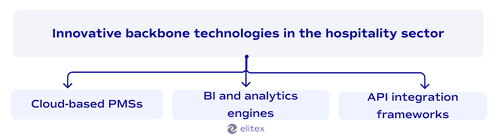
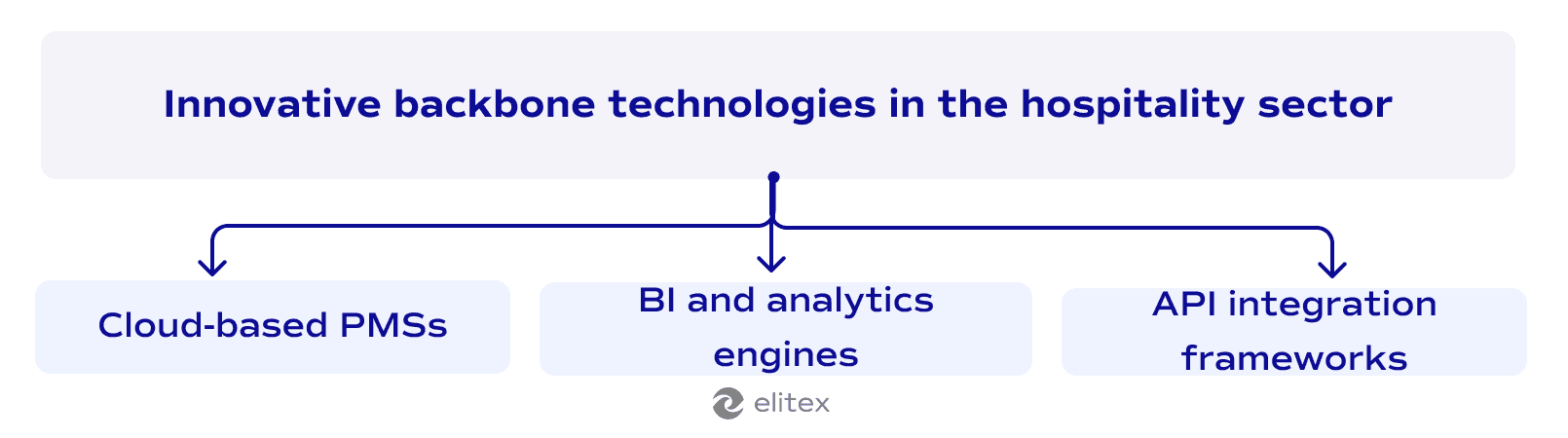
Cloud-based property management systems (PMS)
These digital platforms connect all hotel operations in one place. They handle everything from bookings to housekeeping schedules and financial reports. Previously, we have written a detailed guide on the development of property management systems in real estate, where we explained how real estate PMSs work—hospitality PMSs work similarly but with specialized features for guest management, room availability, and service tracking. Both industries benefit from centralized data management, though hotels require more real-time responsiveness. Here’s the case study of the development of a cloud-based property management system by ELITEX. For hospitality organizations seeking digital transformations, reorganizing the inner processes with cloud-based PMS can be a very decent first step to improve the workflow and cut operational expenses.
Business intelligence and analytics engines
These systems basically turn everyday customer data into valuable insights. They analyze patterns in everything from energy usage to guest preferences, helping hospitality companies make smarter and data-driven decisions. Although not as much of a priority as, for instance, cloud-based PMSs, smart BI and analytics systems can significantly improve the efficiency of running your hospitality business. By spotting trends in thousands of interactions, hotels can predict needs before they arise and create personalized experiences for each guest.
API integration frameworks
The magic happens when systems talk to each other. API frameworks connect online booking systems, customer relationship management tools, and other platforms into one seamless ecosystem. This allows information to flow freely between systems, eliminating the frustration of disconnected technologies and creating smooth experiences for both guests and staff. These API integration frameworks unlock hospitality’s digital potential by connecting separate systems into a unified ecosystem, giving businesses a competitive edge through seamless guest experiences and valuable operational insights.
Note: These are just a few examples of the technology powering the modern hospitality digital transformation. Many other solutions work behind the scenes—predictive maintenance systems that fix problems before they occur, dynamic pricing engines that maximize revenue, automated inventory management that prevents shortages, and staff optimization tools that ensure the right people are in the right place.
As we mentioned above, the true magic happens when guest-facing and operational technologies work together seamlessly. This integration creates personalized guest experiences that feel both high-tech and genuinely human. In our experience, successful digital transformation doesn’t replace human touch—it enhances it through smart, interconnected systems that free staff to focus on what matters most: creating truly memorable guest experiences.
Real-world digital transformation examples
However, everything works better with practical examples. Let’s check some of them!
Accor Hotels
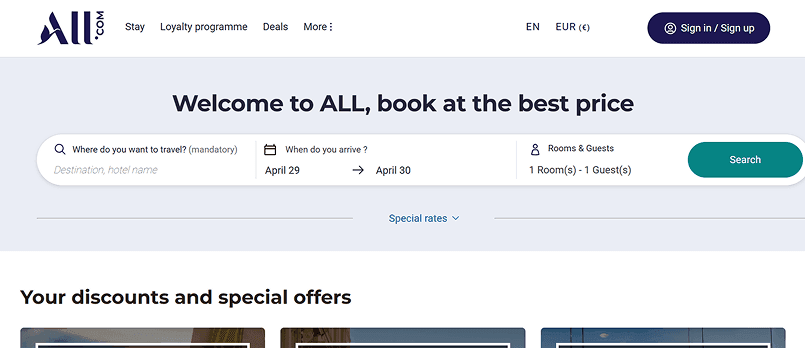
Accor Hotels, a global hospitality leader with over 5,200 properties across multiple brands, began its digital transformation journey in 2014. They started with a €225 million investment in their “Leading Digital Hospitality” initiative. The company implemented comprehensive digital solutions, including their Accor Live Limitless (ALL) loyalty program, cloud-based property management systems, and contactless experience options that streamlined check-in processes and room controls. This financial analysis reveals that this transformation significantly improved their operational metrics, with data showing increasing RevPAR (Revenue Per Available Room) and overall profitability. At the same time, their new hospitality IT solutions enhanced overall customer satisfaction. The main success of this example of the digital transformation in the hotel industry was creating a system of personalized service delivery that balances technological efficiency with human interaction.
Learn more about hotel management software cost in our dedicated article.
Marriott International
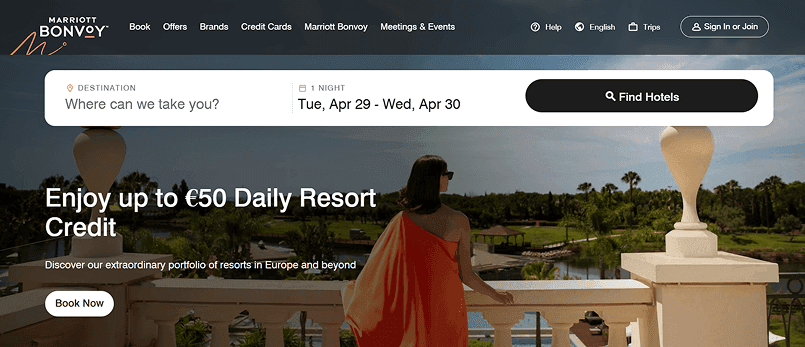
Marriott International, one of the world’s leading hotel brands with properties across the globe, has embraced an ambitious digital transformation strategy centered around enhancing customer experience. The company established an innovation lab called “The Underground” to test new technologies. They implemented mobile check-ins, mobile keys, and artificial intelligence chatbots on platforms like Facebook Messenger and Slack to enhance guest services and make them faster. In recent years, they committed an additional $150 million to their technology infrastructure, appointing new tech executives to lead initiatives that make digital interactions more intuitive for hotel guests. These investments are expected to improve operating efficiency and boost revenue by enabling guests to access various hotel services with a single click, while creating seamless, personalized experiences that differentiate Marriott among the thousands of their competitors.
InterContinental Hotels Group
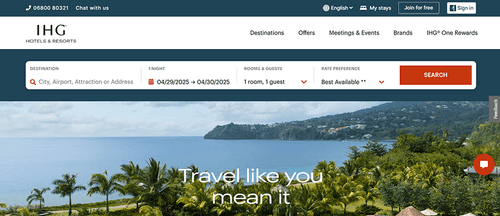
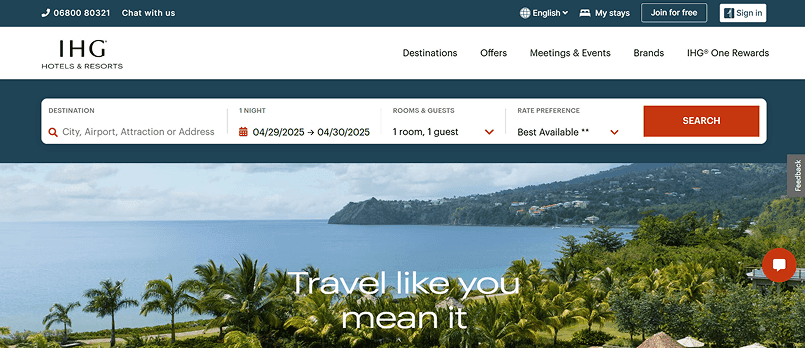
IHG Hotels & Resorts, one of the world’s largest hotel companies with 19 brands globally, revolutionized its booking platform through next-gen cloud solutions.Their digital transformation also focused on creating a personalized booking experience where guests can select specific room attributes (higher floors, better views) and add customized enhancements like bonus points, food credits, or spa treatments. The revamped system has generated an average of $22 additional revenue per night for participating hotels ($41 for luxury properties), while completely rebuilding hotel websites that account for 40% of their traffic. With over 5,000 hotels offering room customization and their mobile app becoming their fastest-growing revenue channel, IHG has created a seamless digital journey that puts guests in control of their experience.
ELITEX: A perfect match for your digital transformation
For over a decade, ELITEX deliver custom software solutions for hospitality businesses seeking digital transformation. We specialize in travel technology with proven expertise in the development of property management systems, booking engines, and guest experience platforms. ELITEX stand out as a perfect hospitality custom software development company for your digital transformation needs, with 90% of our team at the middle and senior developer levels. Our core values center on transparent communication and long-term client success, ensuring your investment delivers a measurable return on investment. With modern technologies and direct access to developers, ELITEX help transform the digital guest experience while eliminating implementation barriers.
Schedule a consultation today to discuss how ELITEX can help with your digital transformation process!
FAQs
What are the main benefits of digital transformation in the hospitality industry?
Digital transformation in the hospitality industry delivers increased operational efficiency, enhanced guest loyalty, and higher revenue. Hotels implementing smart devices and automated systems reduce labor costs while improving service speed. Digital platforms enable personalized marketing that increases direct bookings and repeat visits. Guest data collection provides insights for tailored digital customer experiences that drive higher satisfaction rates and spending per stay.
What roadblocks to innovation in hospitality tech do companies face?
Key roadblocks include legacy system integration, budget constraints (digital transformation is quite an expensive process), staff resistance, and fragmented technology infrastructure. Hotels with older management systems face compatibility issues with new platforms. Limited IT expertise hinders digital transformation efforts. Data privacy regulations create additional compliance challenges
How can hotels measure ROI from digital transformation in travel and hospitality?
Hotels can measure ROI through increased direct bookings, reduced operational costs, higher daily rates, and improved guest satisfaction scores. Track efficiency metrics like check-in time reduction. Monitor digital customer experience through app usage and online engagement. Compare revenue from digitally-engaged guests versus traditional guests to quantify the final impact.
How does digital transformation impact guest loyalty in hotels?
In most cases, digital transformation strengthens guest loyalty through personalized experiences across the customer journey. Mobile apps track preferences across stays, creating continuity. Digital communication maintains a connection between visits. Automated systems ensure consistent service quality. Integrated loyalty programs deliver targeted rewards based on individual guest behavior patterns, incentivizing repeat business.
POSTED IN: