

Legacy Software Modernization Company

What Our Clients Say About ELITEX


Before cooperation with ELITEX, I interviewed 20+ dev shops. Of all the teams I interviewed, ELITEX was the best technically by far and I felt confident building with them and that I could continue to work with them as my company grows. Project management was very effective. The team is responsive and gets work done in a timely manner.
I like ELITEX's holistic nature approach to our engagement. Not only do they execute the tasks given, but they also suggest helpful alternatives based on their deep experience to make the products even more effective
Adrian Obleton
Founder & CEO at ModelMaster

ELITEX are fantastic! We needed 'on-demand' help to work in a fast, Agile fashion. Not only are they timely with their deliverables, but the quality is also elite.
The team is always available (even during US hours, which was very important to us) and very forthcoming with communication, consistently providing updates and project tracking.
We highly recommend ELITEX to any product or tech lead and look forward to continuing our working relationship with them.
Christopher Durand
Co-founder at Bitsy Boost


Clutch Reviews

THE REVIEWER
Yuri Vorontsov, Head of Technology, Appetence BVTHE PROJECT
MVP Development for Remote Product DeveloperProject summary
A remote product development team hired ELITEX to provide additional developers to assist in creating an MVP for an OA Switchboard.Feedback summary
The project was launched successfully, earning praise from the client as well as a number of industry players. The company appreciated the team's communication skills, which allowed their experience and knowledge to shine through during the deployment of the project.Legacy Software Modernization Services We Offer
Code refactoring and rewriting
Code refactoring restructures existing code to eliminate technical debt without changing its external behavior. What does it mean? Healthcare platforms and fintech systems often reach a point where every small update risks breaking critical functionality, which forces development teams into a cycle where they spend more time fixing bugs than building features. Refactoring breaks this cycle by restoring development speed and cutting the maintenance costs that drain engineering budgets.
Database migration and optimization
Legacy databases slow down as data accumulates, turning simple queries into bottlenecks that freeze entire applications. We migrate data to PostgreSQL, MongoDB, or cloud-native solutions while restructuring schemas to eliminate redundant queries and improve indexing. With ELITEX, response times drop from seconds to milliseconds, which transforms user experience across the board. Beyond speed, we handle the optimization work that prevents future slowdowns as your data grows.
API development and integration
We build both REST and GraphQL APIs around systems that were never designed to share data and integrate them into your operational workflow. Legacy applications become isolated islands where information gets trapped, forcing teams to manually transfer data between tools or build fragile workarounds that break when either system updates. Our APIs let these old systems participate in modern workflows by creating clean integration points that other applications can use with any additional effort required.
Cloud infrastructure migration
Moving from on-premise servers to AWS, Azure, or Google Cloud removes the procurement delays that slow the growth of your business. ELITEX redesign the infrastructure so adding capacity now takes minutes, unlike weeks when your software was running on hardware. The monthly costs of maintaining physical servers disappear, replaced by cloud expenses that flex with actual usage.
Security updates and compliance
Frameworks stop receiving security patches after vendors end support, leaving known vulnerabilities exposed. We patch these holes and update dependencies to meet HIPAA, PCI, DSS, or SOC 2 requirements that auditors verify. Our work prevents both the breaches that damage reputations and the fines that follow non-compliance.
Performance optimization and scaling
ELITEX profile your application under load to find exactly which functions consume the most resources. Rewriting these bottlenecks delivers the performance you need without rebuilding everything. This targeted approach cuts costs and timeline compared to complete rewrites while solving the actual scaling problems blocking your growth.
Why Choose ELITEX as Your Legacy Software Modernization Company?

Experience with mature technology stacks
90% of our team consists of middle and senior developers who actually worked with legacy technologies during their peak adoption.
They understand why certain architectural decisions made sense originally, which matters when providing legacy software modernization services that preserve what works while replacing what doesn’t.
Specialized modernization experience
ELITEX have been handling both software development and app modernization from the very beginning of our path. We have successfully completed dozens of legacy projects across publishing, fintech, hospitality & travel, real estate, media & entertainment, and other industries.
Our developers recognize most failure patterns that outdated systems develop over time. This experience speeds up assessment and reduces migration risks.
Direct communication
You always work directly with developers writing code. We add project managers only when the project complexity requires it, and never try to upsell you unnecessary overhead.
Our specialists explain technical issues in clear language rather than hiding behind tech jargon, while ELITEX maintains zero bureaucracy at the administrative level, so decisions happen quickly without approval chains that slow progress.
Speed and cost efficiency
Senior developers who understand digital transformation patterns deliver faster than less experienced teams.
This, combined with our competitive rates, means you get legacy software modernization services without the overhead that inflates costs at larger consultancies.
Explore Our Legacy Software Modernization Success Stories





Our Software Modernization Services Process
At ELITEX, we’ve delivered legacy software modernization services for a decade across various industries. What we’ve learnt in these 10 years is that there’s no universal template for modernizing outdated systems. Each case is unique, but certain patterns still emerge from working with dozens of legacy code bases. Here’s what our process looks like in practice in most cases:

Driving Innovation Through Legacy Application Modernization
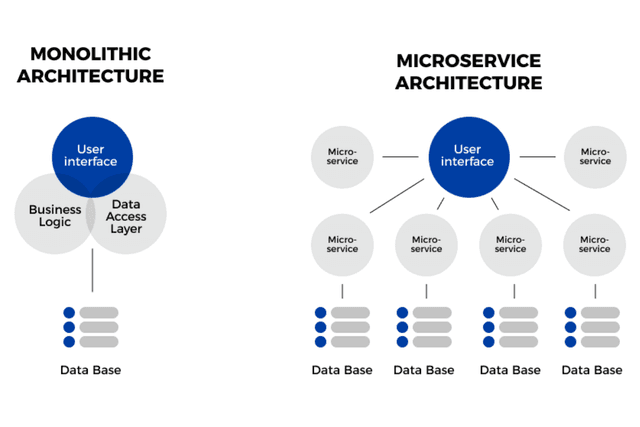
Monolithic to microservices architecture
Monolithic to microservices architecture
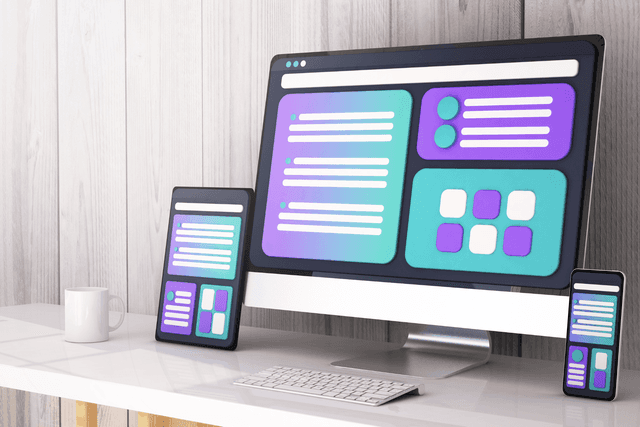
Legacy UI to modern frameworks
Legacy UI to modern frameworks
On-premise to cloud-native infrastructure
On-premise to cloud-native infrastructure
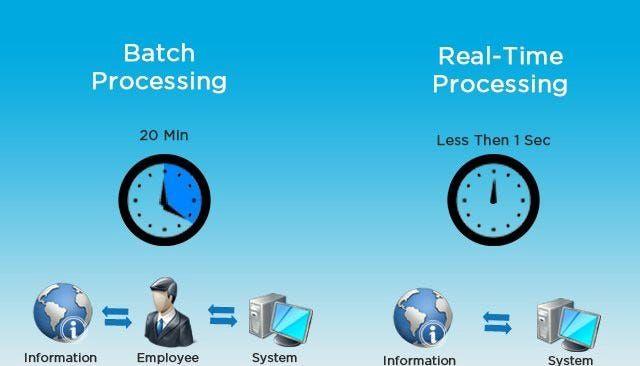
Batch processing to real-time data processing
Batch processing to real-time data processing
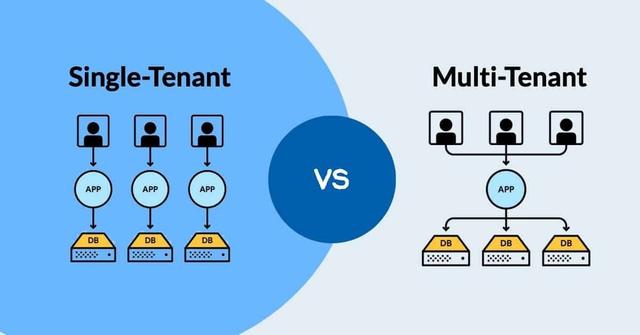
Single-tenant to multi-tenant architecture
Single-tenant to multi-tenant architecture
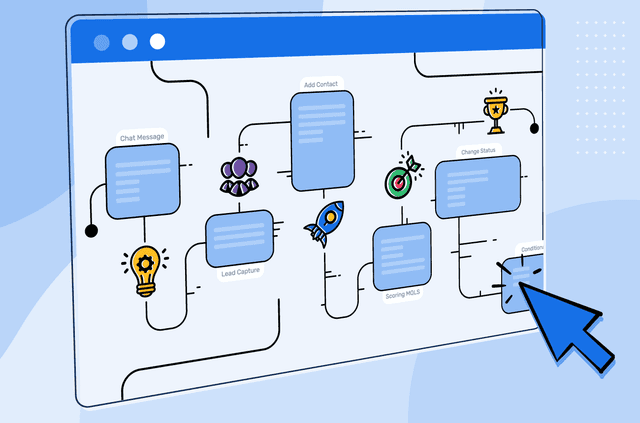
Manual processes to automated workflows
Manual processes to automated workflows
Start Automation for Your Legacy Software
CI/CD pipeline implementation
Legacy systems often rely on manual deployment processes where developers package code and wait for scheduled release windows. Our CI/CD consulting services build pipelines that handle testing and deployment automatically when developers commit code changes. With our CI/CD automation, your release cycles drop from weeks to hours while eliminating costly human errors.
Infrastructure as code adoption
Server configurations documented in wiki pages or stored in administrators’ heads create risks when the infrastructure needs to change. Our DevOps infrastructure automation services convert these manual steps into code that defines your entire infrastructure. With our infrastructure automation solutions, your teams can version control and replicate environments with the same reliability they expect from application code.
Automated testing integration
Manual testing becomes a bottleneck as legacy applications grow. Automated test suites catch regressions immediately after code changes rather than weeks later during manual testing cycles. With automated testing, your developers gain confidence to refactor legacy code by themselves without fear of breaking functionality.
Container orchestration
Applications running directly on virtual machines require manual scaling and complex deployment coordination. Container orchestration platforms like Kubernetes automate how workloads get distributed across infrastructure and recover from failures without human intervention. Legacy software wrapped in containers gains operational flexibility that cloud-native applications have by design.
Automated deployment and rollback procedures
Deployments requiring runbooks with dozens of manual steps create opportunities for mistakes. ELITEX’s DevOps and automation services build deployment automation that executes these steps consistently while maintaining rollback capabilities. With ELITEX, the risk of human error during critical deployments drops to near zero.
AI-powered monitoring and incident response
Traditional monitoring alerts on manually configured thresholds, catching only problems someone anticipated. AI capabilities analyze patterns in system behavior to detect anomalies that rule-based monitoring misses. ELITEX design and build AI-driven systems that flag unusual activity before it affects users and help maintain security standards by identifying potential breaches faster than manual log review.

Application Modernization Strategies We Use

Legacy Software Modernization Expertise for Every Industry
What Is the Cost of Legacy Software Modernization Services?
Small-scale modernization
($10,000-$100,000)
Small projects typically involve refactoring specific modules or migrating individual components to modern frameworks. In this case, legacy modernization services usually take 1-4 months with teams of 2-4 developers.
Medium-scale modernization
($100,000-$500,000)
Medium projects cover architectural changes like breaking monoliths into microservices or migrating databases while maintaining operations. Timelines run 4-8 months with teams of 2-8 developers handling parallel workstreams.
Enterprise-level modernization
($500,000+)
Enterprise modernization involves complete system overhauls across multiple applications with complex integrations and compliance requirements. These engagements span 6-24 months with teams scaling up to 15+ developers as different components reach critical phases, scaling based on scope.
Looking for a Reliable Development Partner? Let Us Know What You're Working on
FAQs
Still have a question?
Reach out to our specialist!
Our Other Services


Insights




Let's talk about your project
Drop us a line! We would love to hear from you.