



- TL;DR: Today, we examine the market of DevOps-as-a-Service providers, explaining what this delivery model means and how it differs from traditional consulting firms that build systems and leave
- We establish clear selection criteria and then compare the top 5 vendors: ELITEX, Romexsoft, Mission Cloud Services, ClickIT, and ITGix with detailed pricing, technical capabilities, and best-fit scenarios.
- In this topic, we alos breakdown regional specialists across Europe, the Americas, and Asia for companies needing specific time zone alignment or local compliance requirements.
- Additionally, we provide a six-step practical guide for evaluating providers on your own, from defining technical requirements to running pilot projects.
Finding the right DevOps partner shouldn’t feel like gambling. However, it can be quite challenging to navigate through 2026’s market, where you can see hundreds of visually identical companies offering practically the same for wildly different prices. That’s why we spent three months testing dozens of DevOps-as-a-Service companies to see which ones actually understand what they’re doing. Some promised digital transformation but delivered only basic Python scripts. Others charged enterprise rates for standard DevOps automation services. The good news? A few providers actually delivered what they promised. And today, we’ll focus on them. Here’s what we learned by our research:
What is DevOps-as-a-Service?
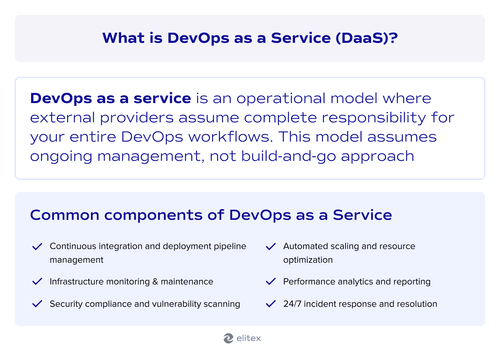
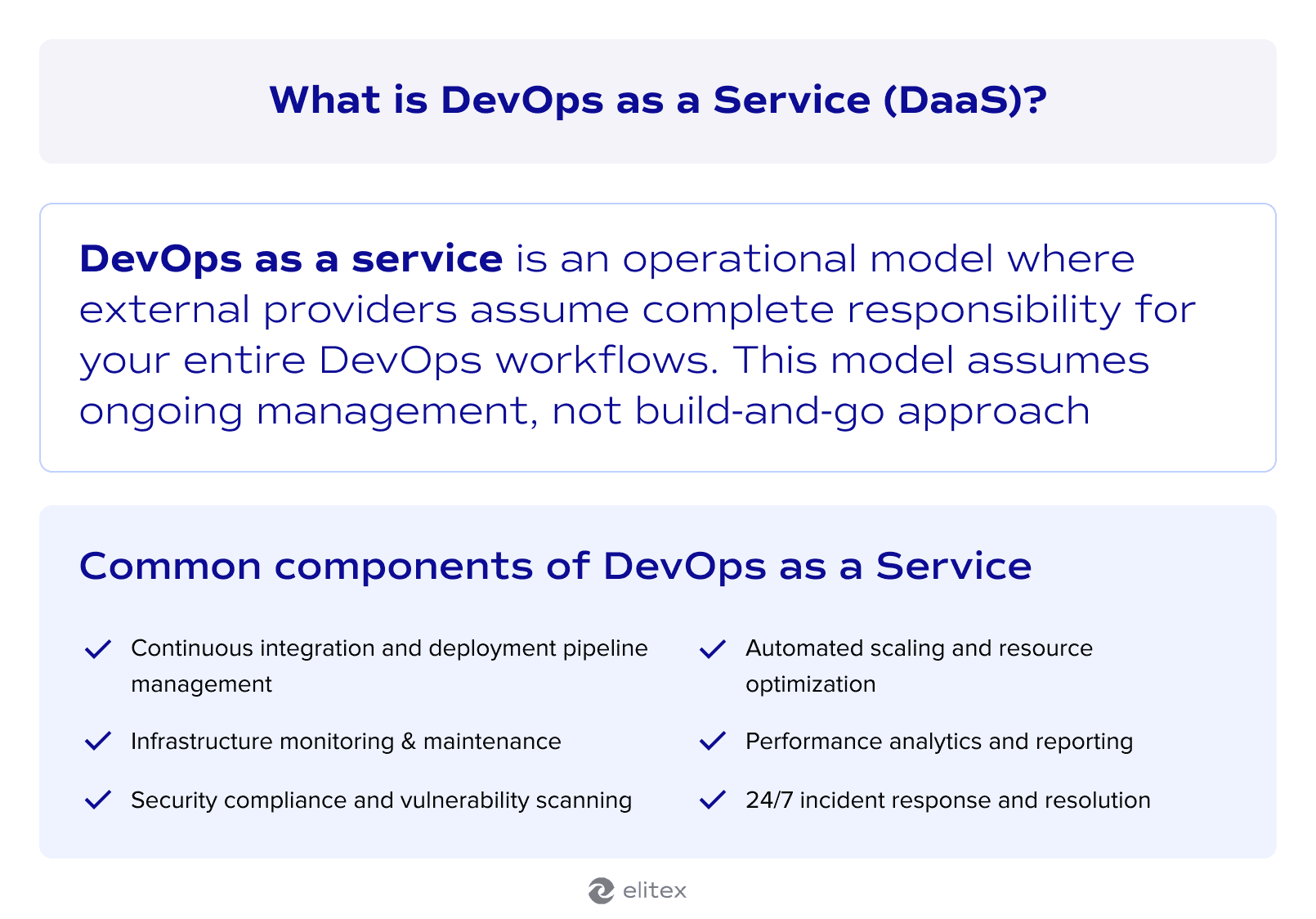
DevOps-as-a-Service is a service delivery model where an external provider handles all aspects of DevOps transformation for your company. This covers everything from automated CI/CD pipelines, infrastructure automation, cloud resource management, to monitoring systems, security configurations, and DevOps-based test automation.
In the case of the DevOps-as-a-service model, the provider manages deployments, incident response, container orchestration, and ongoing optimization. You get the complete DevOps capability without hiring specialists or building processes internally. Some providers also include training for your team, compliance management, and 24/7 support. The scope varies, so one company might deliver a full transformation while another focuses on specific technical components.
Here’s a detailed guide on what is DevOps-as-a-Service written by us previously; feel free to read it.
Who are DevOps-as-a-Service providers?
So, what we have prepared for today are DevOps-as-a-Service companies. These are specialized firms that, as mentioned above, run your DevOps operations as an ongoing service. In 2026, you’ll encounter 2 main categories of these companies. Boutique agencies with 20-80 engineers focusing exclusively on DaaS, managed DevOps services, and cloud infrastructure management, and larger IT service companies that added DevOps teams to their existing software development practices.
However, we would like to add that company size matters less than operational experience. The strong providers typically employ engineers who’ve architected systems for dozens of different companies and understand version control workflow, database migration patterns, and how different tech stacks behave under loads. The weak companies rebrand standard consulting work without actually managing anything long-term. That’s the difference.
What do DevOps-as-a-Service providers do?
So, DevOps-as-a-Service vendors typically manage the complete technical pipeline from source code to production applications. They monitor version control repositories, review commits, and trigger automated builds when developers push changes. Someone from their team typically approves deployments and investigates failures when services crash. They watch your system overnight and respond to alerts. When cloud infrastructure costs jump unexpectedly, they identify the cause and optimize spending. Your software development team needs new testing environments? The provider provisions them. They update DevOps automation tools, apply security check automation, and scale resources based on actual traffic. Traditional consulting firms build your systems and leave. DevOps-as-a-Service providers stay, own the results, and fix issues as they appear.
DevOps-as-a-Service providers vs. traditional DevOps services companies
In the previous section, we mentioned DaaS providers compared to a classic consulting firm. Let’s take a look at this comparison in more detail:
| Aspect | DaaS providers | Traditional DevOps service companies |
| Service model | Ongoing operational management | Project-based implementation |
| Responsibility | Run systems 24/7 and own uptime | Build infrastructure, then transfer ownership |
| Pricing structure | Monthly retainer or usage-based fees | Fixed project costs or hourly billing |
| Team integration | Engineers work as your extended team | External consultants with limited hours pre-defined in the contract |
| Tooling approach | Provide supplies their own DevOps tools | Client purchases and licenses tools separately |
| Knowledge sharing | Continuous through daily collaboration | Structured handoff sessions at completion |
| Engagement length | Ongoing partnership (typically 12+ months) | Ends when implementation finishes |
| Adaptaion | Adjusts as requirements change | New scope requires contract amendments |
| Accountability | Measured by system performance metrics | Measured by project delivery milestones |
How did we choose candidates for our DevOps-as-a-Service provider list?
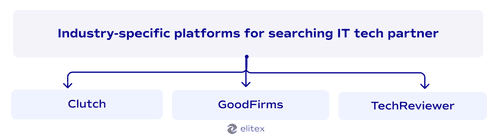
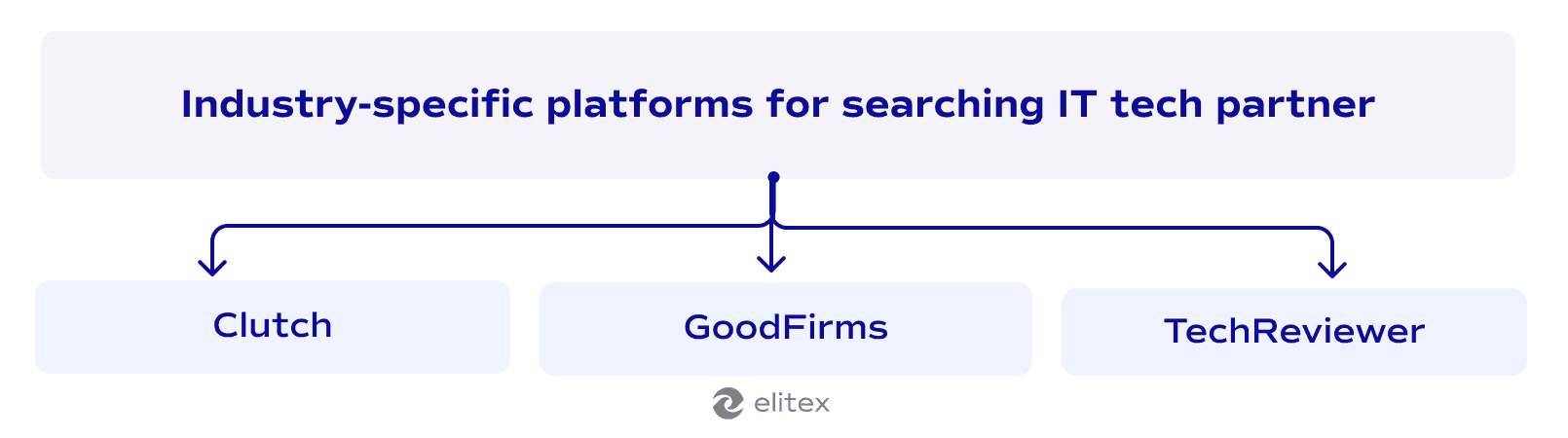
Finding credible providers from thousands of options requires a structured approach, so let’s define our selection criteria. We started with the industry-specific platforms like Clutch, GoodFirms, and TechReviewer to identify companies offering what they call “DevOps managed services” (the terms are essentially interchangeable with DevOps-as-a-Service). We filtered for mid-sized firms with 30-500 engineers because this exact size of firms allows them to have enough capacity to manage complex IT operations while still providing direct attention to clients.
Then, we interviewed shortlisted candidates about their actual work processes. We asked how they handle development pipelines, what happens when production systems fail at midnight, and who responds to incidents. Companies that gave vague answers or relied heavily on buzzwords got eliminated. We prioritized firms with documented client projects, verified reviews, and engineers willing to discuss technical details openly. The goal was to find providers who actually run systems daily, not just companies that rebrand DevOps consulting services as “managed services.”
List of 5 best DevOps-as-a-Service providers: Market overview
Here are the 5 best DevOps-as-a-Service vendors in 2026, in our opinion:
| Provider | Location | Team size | Primary focus | Key strengths | Best for |
| ELITEX | Ukraine/US | 50+ engineers | DevOps automation strategy, cloud optimization, compliance | Cost-efficient, cost reduction, 24/7 monitoring, DevSecOps integration | Mid-sized companies in healthcare, fintech, e-commerce, hospitality, and real estate, seeking cost-effective modernization |
| Romexsoft | Ukraine/US | 100 engineers | Cloud migration (AWS/Azure) | Fintech security compliance, detailed documentation, workflow bottleneck analysis | Companies requiring strict compliance and knowledge transfer |
| Mission Cloud Services | US | 200 people | AWS-exclusive DevOps automation | Automated cost-optimization, 24/7 proactive monitoring, phased migrations | Enterprise migrating from traditional data centers to AWS |
| ClickIT | Mexico | 80 engineers | Nearshore AWS migration, Terraform IaC | PCI compliance expertise, US time zone alignment, staff augmentation | Mid-market US companies needing nearshore cost-effective collaboration |
| ITGix | Bulgaria | 50-200 people | Complex AWS environments, autoscaling | High-availability systems, disaster recovery, embedded team approach | Retail companies with millions of daily users requiring 24/7 uptime |
1 . ELITEX
ELITEX specializes in DevOps infrastructure automation implementation for mid-sized companies looking to modernize without enterprise budgets. Founded in 2015, the company employs 50+ engineers who largely focus on CI/CD consulting services and cloud platform optimization. The team has vast experience working across healthcare, hospitality, fintech, media, real estate, e-commerce, and publishing sectors, where downtime costs real money.
What sets ELITEX apart? They actually measure results. In one documented case study, ELITEX reduced a fintech client’s infrastructure costs by 90%. The team rebuilt the entire continuous integration pipeline, migrated legacy systems to cloud platforms, and implemented best infrastructure as code practices. Their hourly rates ($30-80) undercut typical enterprise consultancies while maintaining senior-level expertise. Additionally, ELITEX offers DevSecOps consulting services, automation strategy consulting, and, of course, ongoing system management. ELITEX don’t just build CI/CD pipelines and disappear; it’s the team that cares about your project as much as their own, carefully monitoring your systems 24/7.
2 . Romexsoft
Romexsoft operates as a DevOps-focused consultancy with about 100 engineers across offices in Ukraine and the US. They handle cloud migration for small businesses moving from on-premise infrastructure to AWS or Azure. Their strength lies in automation strategy consulting, where they analyze existing software development workflows and identify bottlenecks. Romexsoft engineers implement DevOps tools that fit your actual needs without forcing predetermined solutions. They’ve worked with fintech clients requiring strict security practices and compliance documentation. The team offers both project-based implementations and ongoing managed services. Expect detailed documentation and knowledge transfer sessions.
3 . Mission Cloud Services
Mission Cloud Services maintains a 200-person team focused exclusively on AWS cloud platforms and DevOps automation. They handle infrastructure as code implementations for companies migrating from traditional data centers. Their engineers specialize in building CI/CD pipelines that integrate security practices at every stage. Mission Cloud approaches digital transformation methodically through phased migrations that minimize disruption. The team monitors client infrastructure 24/7 and responds to performance issues before they affect end users. They've built automated cost optimization systems that adjust resource allocation based on actual usage patterns. Their managed services include continuous integration workflow optimization and DevOps tools management. Pricing follows AWS Premier Partner standards with transparent monthly billing.
4 . ClickIT
ClickIT operates as a nearshore DevOps provider with approximately 80 engineers based in Mexico. The company specializes in cloud migration projects where clients move from traditional infrastructure to AWS environments. ClickIT builds CI/CD pipelines integrated with automated testing at each deployment stage. Their engineers implement infrastructure as code using Terraform to eliminate manual configuration work. The team focuses on fintech clients requiring PCI compliance and automated security practices. ClickIT also provides IT staff augmentation services where their DevOps engineers embed directly into client software development teams. They handle monitoring, incident response, and cost optimization as part of their managed services. The nearshore software development location means overlapping work hours with US clients. ClickIT's pricing ($30-70/hour) targets mid-market companies avoiding enterprise consulting rates. Their continuous integration workflows emphasize automation strategy consulting to reduce deployment times.
5 . ITGix
ITGix runs a 50-200 person DevOps practice. The company is headquartered in Bulgaria and serves both European and American clients. They specialize in complex AWS environments handling variable loads for applications with millions of daily users. ITGix engineers implement autoscaling infrastructure that adjusts resources based on actual traffic patterns. The company excels at infrastructure as code deployments using Terraform to standardize cloud platform configurations. Their team provides 24/7 monitoring with dedicated on-call engineers responding to production incidents. ITGix has worked with retail companies requiring high-availability systems where downtime directly impacts revenue. They handle disaster recovery planning, including backup sites that activate automatically during failures. The company integrates DevSecOps consulting services with automated vulnerability scanning in deployment pipelines. ITGix focuses on long-term partnerships rather than project-based work. Their engineers participate in client planning meetings as embedded team members rather than external contractors.
DevOps-as-a-Service companies: Regional specialists
Geography also matters when selecting DevOps-as-a-Service firms. Regional providers understand local compliance requirements, offer overlapping work hours for real-time collaboration, and often provide better pricing than global consultancies. Companies choosing regional specialists typically get faster response times during incidents because engineers work in compatible time zones. The right cloud provider partnership also varies by region based on local infrastructure availability.
Here’s the list of trusted DevOps-as-a-Service companies based on their location:
European providers:
- ELITEX: Focus on DevOps automation services combined with custom software development and a special expertise in UI. Competitive pricing, compliance expertise, and flexible collaboration policy.
- ITGix: Specializes in AWS cloud platforms with 24/7 managed services for high-traffic applications requiring continuous delivery workflows.
- Shalb: Provides infrastructure as code implementations using Terraform with emphasis on Kubernetes-based environment.
- Innowise: Handles multi-cloud architectures across AWS, Azure, and GCP with comprehensive CI/CD tools implementation.
American providers:
- ELITEX: Focus on DevOps automation services combined with custom software development, with a special expertise in UI. Competitive pricing, compliance expertise, and flexible collaboration policy.
- ClickIT: Nearshore provider offering AWS migration projects with integrated continuous delivery pipelines and PCI compliance.
- BairesDev: Provides scalable DevOps managed services with automated CI/CD tools for venture-backed technology companies.
- N-iX: Manages DevOps transformations for enterprise clients with strong cloud provider partnerships across major platforms.
- Coherent Solutions: Implements Salesforce DevOps architectures combined with AWS and Kubernetes for platform companies
Asian providers:
- Blazeclan: Manages cloud migrations with emphasis on continuous delivery automation across AWS, Azure, and GCP platforms.
- SPEC India: Delivers end-to-end CI/CD implementation with 30+ years of experience in regulated industries.
- AEGIS Softtech: Specializes in Alibaba Cloud DevOps for Asia-Pacific businesses requiring regional cloud provider infrastructure.
Final thoughts: How to choose the best DevOps-as-a-Service provider on your own?
But still, maybe you want something different. No problem! Here’s the systematic approach for you to evaluate candidates and make an informed decision based on your needs.
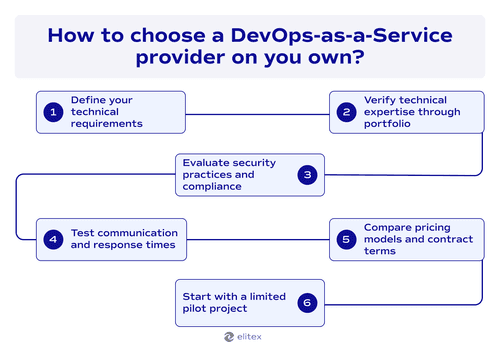
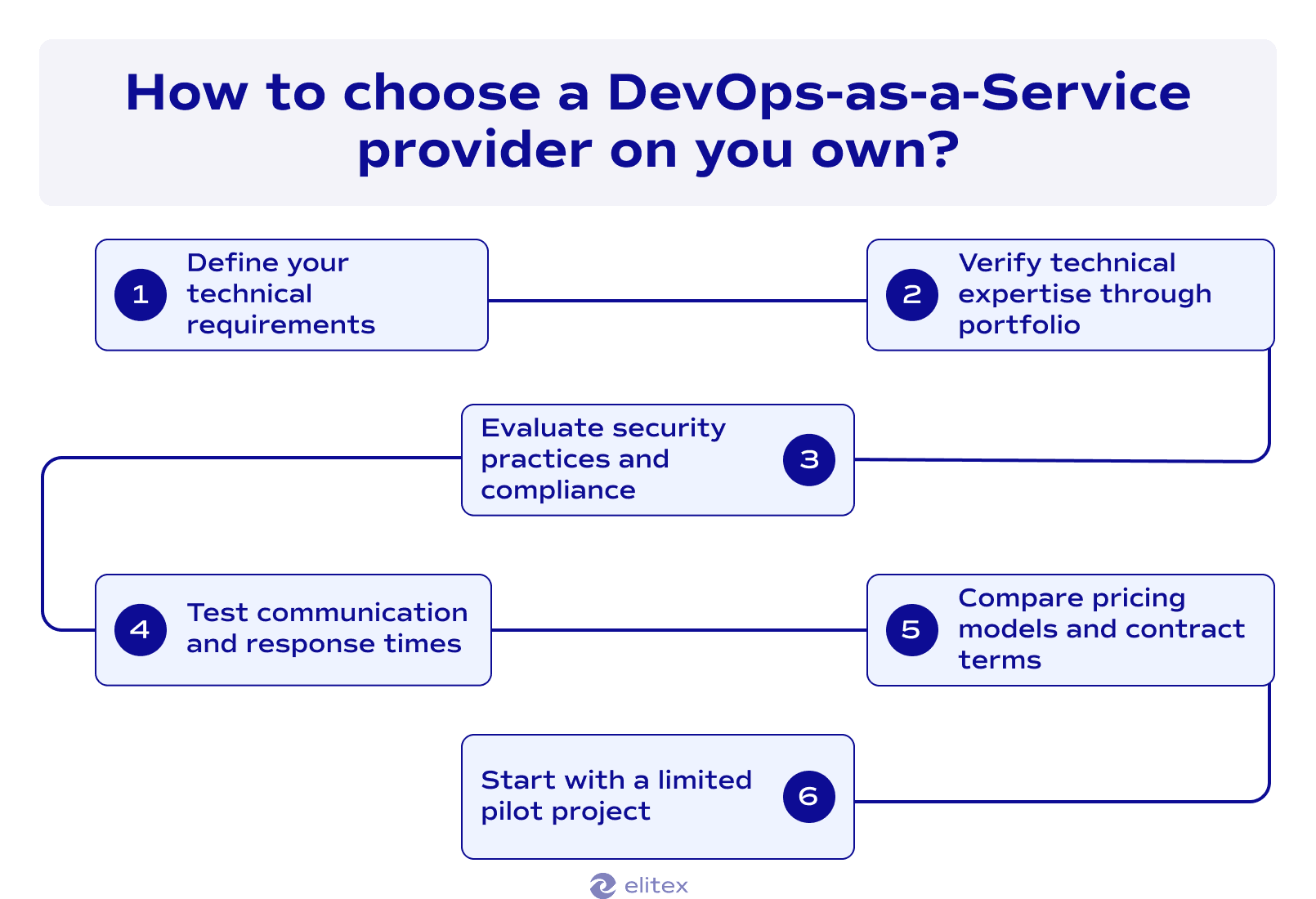
- Define your technical requirements: List the specific cloud platforms, tools, and compliance standards you need before contacting providers.
- Verify technical expertise through portfolio: Ask for case studies from your industry and check if their engineers hold relevant cloud provider certifications.
- Evaluate security practices and compliance: Request documentation on data security, access controls, and experience meeting industry-specific regulations like HIPAA or SOC 2.
- Test communication and response times: Note response speed during initial conversations and ask about on-call availability and time-zone coverage.
- Compare pricing models and contract terms: Get detailed quotes showing monthly costs, setup fees, contract length, and how pricing changes when infrastructure scales.
- Start with a limited pilot project: Test the provider with one specific system for 30-90 days before committing your entire infrastructure.

FAQs
What services do DevOps-as-a-Service providers offer?
DevOps-as-a-Service solutions providers manage the entire DevOps lifecycle from code to production. This includes CI/CD pipeline setup, infrastructure provisioning through code, and continuous monitoring of application health. Security controls get implemented alongside automated vulnerability scanning. Container orchestration happens through Docker and Kubernetes. When systems fail, the provider's team responds to incidents and fixes issues. Cloud costs get optimized through resource allocation adjustments. Backup systems and disaster recovery plans stay maintained and ready. Compliance documentation gets prepared for regulated industries. Most providers also train your internal team on the tools and processes.
Types of DevOps-as-a-Service companies
There are basically 2 types of companies that work across 2 coverage models. You'll encounter boutique firms with 20-80 engineers focusing exclusively on DevOps managed services and larger IT companies that added DevOps divisions to existing development practices. Regional specialists concentrate on specific geographic markets, while global providers operate across multiple continents with distributed teams.
How much do DevOps-as-a-Service companies typically charge?
Monthly retainers range from $5,000 to $50,000, depending on infrastructure complexity and support level. Hourly rates vary by region: Eastern Europe charges $30-70/hour, Latin America charges $40-80/hour, and North America charges $100-200/hour. Usage-based pricing ties costs directly to cloud resource consumption.
Where can I find a comprehensive DevOps-as-a-Service provider list?
Platforms like Clutch, TheManifest, GoodFirms, and TechReviewer maintain verified directories with client reviews and project portfolios. Industry-specific publications and DevOps community forums also share provider recommendations. Always verify credentials and request case studies before shortlisting candidates.
How long does it take to implement the DevOps-as-a-Service model?
Basic CI/CD pipeline setup takes 2-4 weeks for simple applications. Complete infrastructure transformation, including migration, automation, and team training, typically requires 3-6 months. The timeline depends on your current infrastructure complexity, team size, and how many systems need migration.
POSTED IN: